HISTORY OF A LANDMARK

The magnificent resurrection window on the north side of the auditorium is a memorial to two men who were influential in the United Presbyterian Church of the time and important in the life of Daniel G. Reid, Andrew F. Scott and William S. Reid.
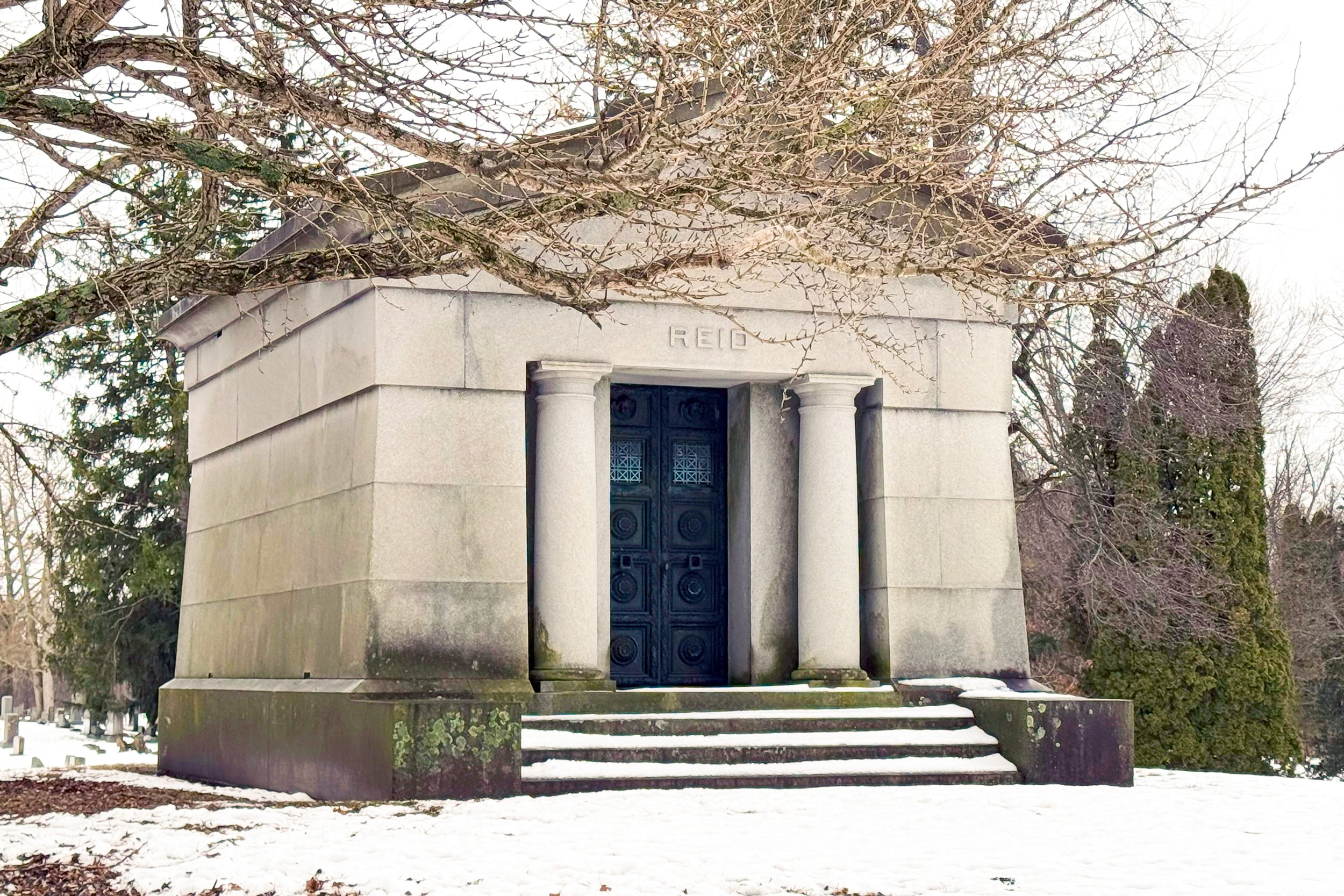
Daniel Gray Reid was laid to rest in his home town of Richmond, Indiana on January 20, 2025, after his passing on January 17, 2025 in New York City. His funeral was held in the magnificent Reid Memorial Presbyterian Church which he had gifted to the city of his youth.
His body, along with both his parents, his first wife, Ella, young son, Frank, and sister, Virginia, is interred at the Reid Mausoleum in Earlham Cemetery in Richmond, Indiana.
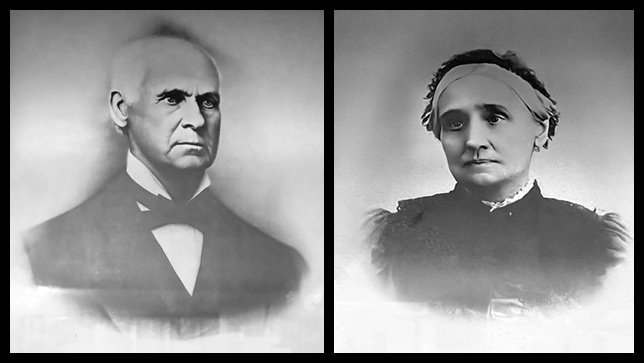
The Reid Center, formerly the Reid Memorial Presbyterian Church, was dedicated to the benefactor, Daniel Gray Reid’s parents, Daniel and Ann Gray Reid.
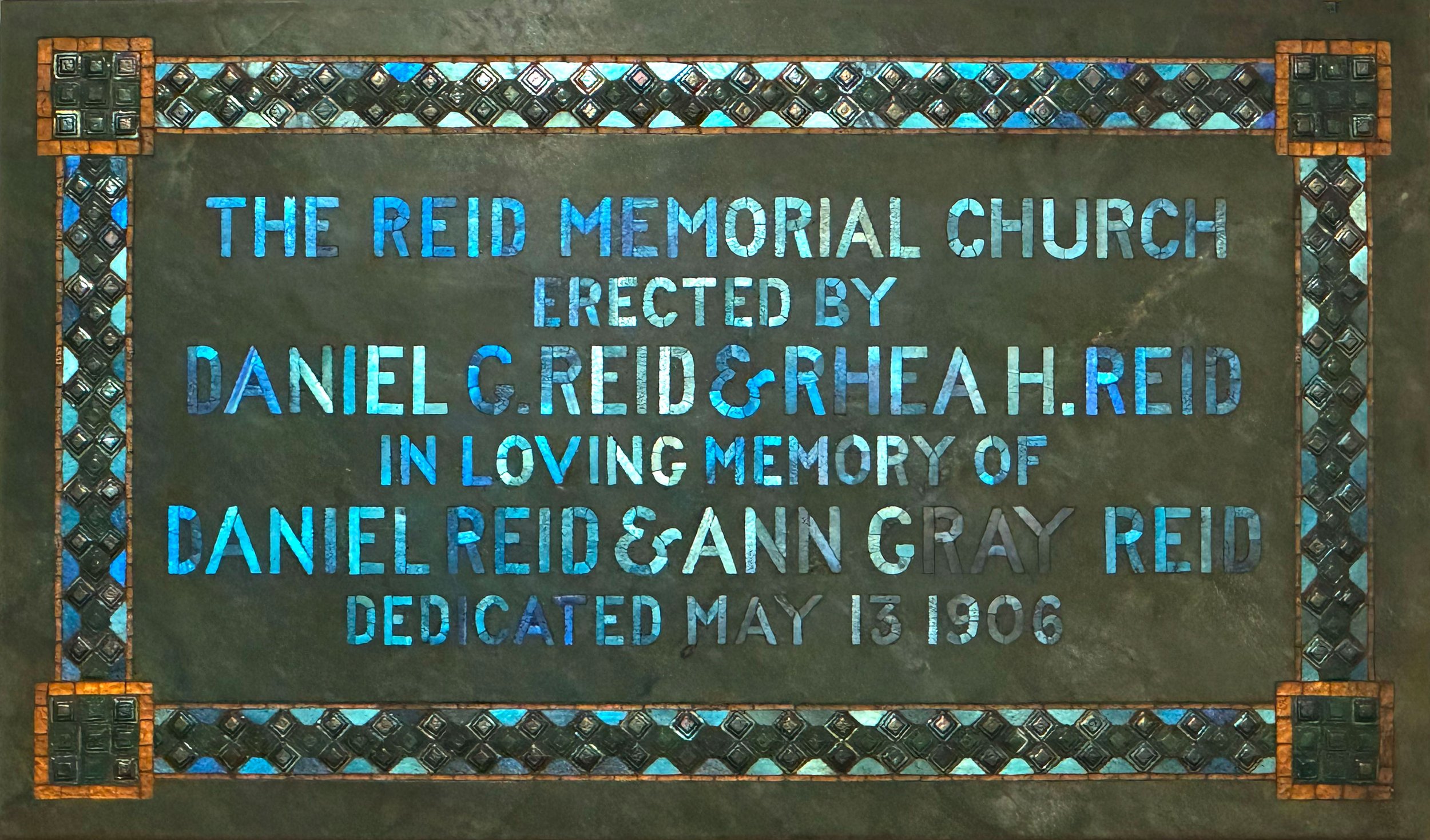
May 13, 1906 was the first of a four-day celebration to dedicate Danie Reid’s glorious gift of the Reid Memorial Presbyterian Church to the congregation of his youth in the city of Richmond, Indiana. The magnificent pipe organ and bell chimes were heard for the first time.
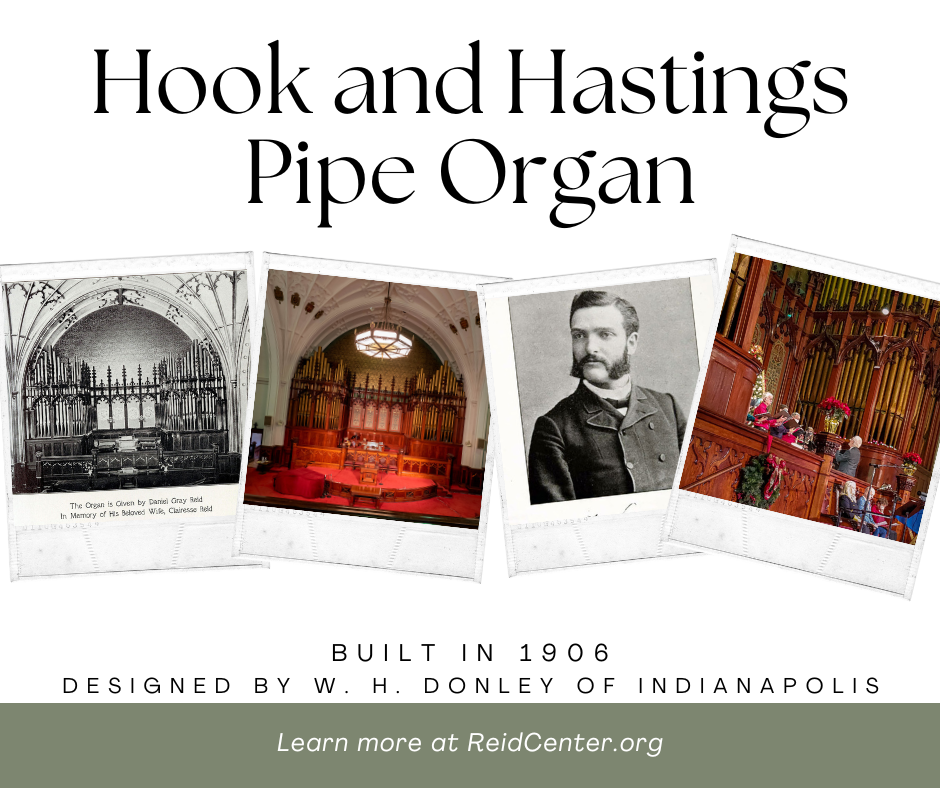
Daniel Reid, benefactor to the Reid Memorial Presbyterian Church in Richmond, Indiana, requested a first-class pipe organ be purchased as it would serve as a memorial to his late wife, Clairesse. Hook and Hastings was selected both for its excellent reputation and the company’s ability to build an expansive instrument where the pipework is placed at a distance from the console. W. H. Donley of Indianapolis, the organ’s designer, performed the first recital on May 14, 1906. Hook and Hastings pipework can be heard to this day making the Reid Center organ a prized vintage instrument.

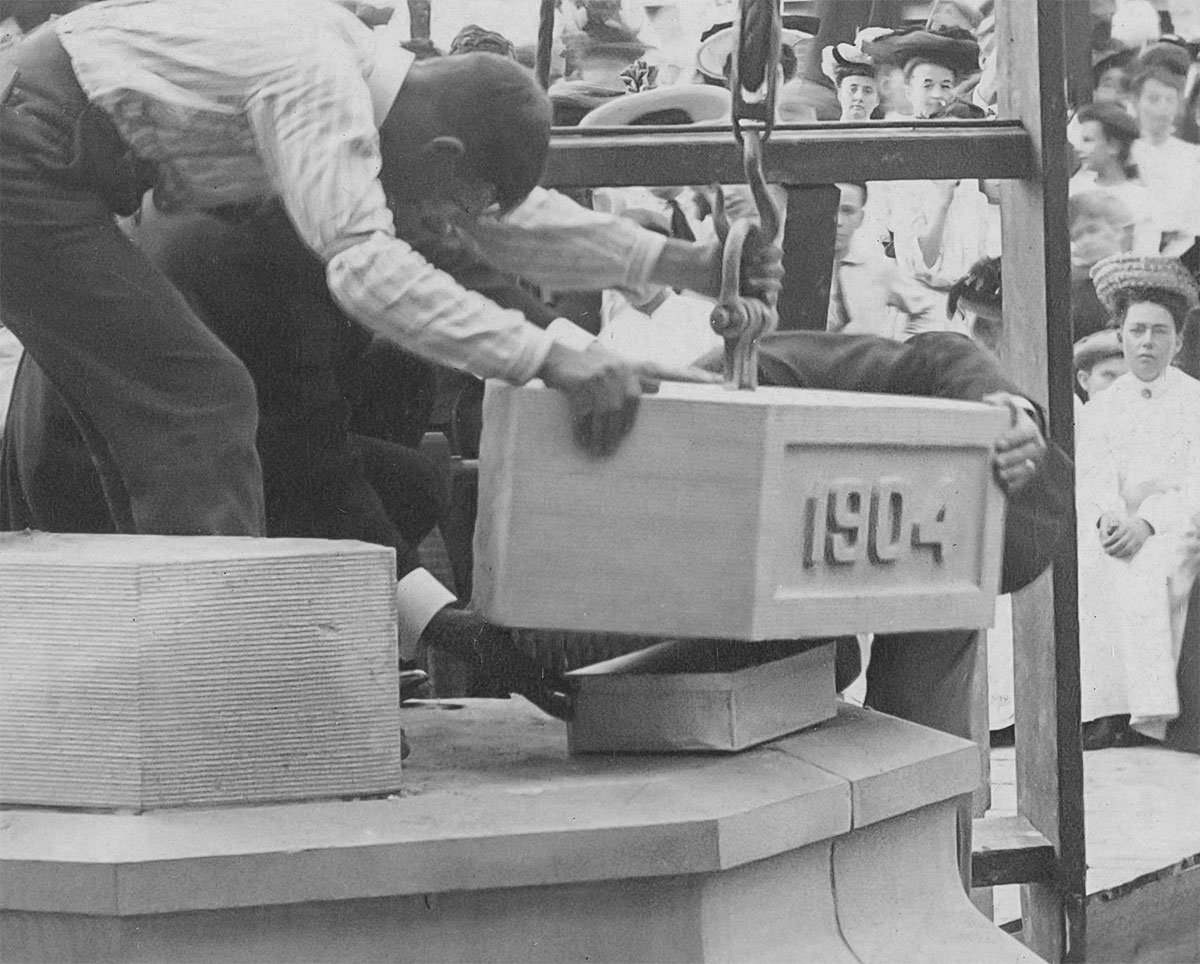
The cornerstone for the Reid Memorial Presbyterian Church and Reid Memorial Hospital were both laid on the same day in 1904. Daniel G. Reid’s generous contributions left an indelible mark on his hometown of Richmond, Indiana.
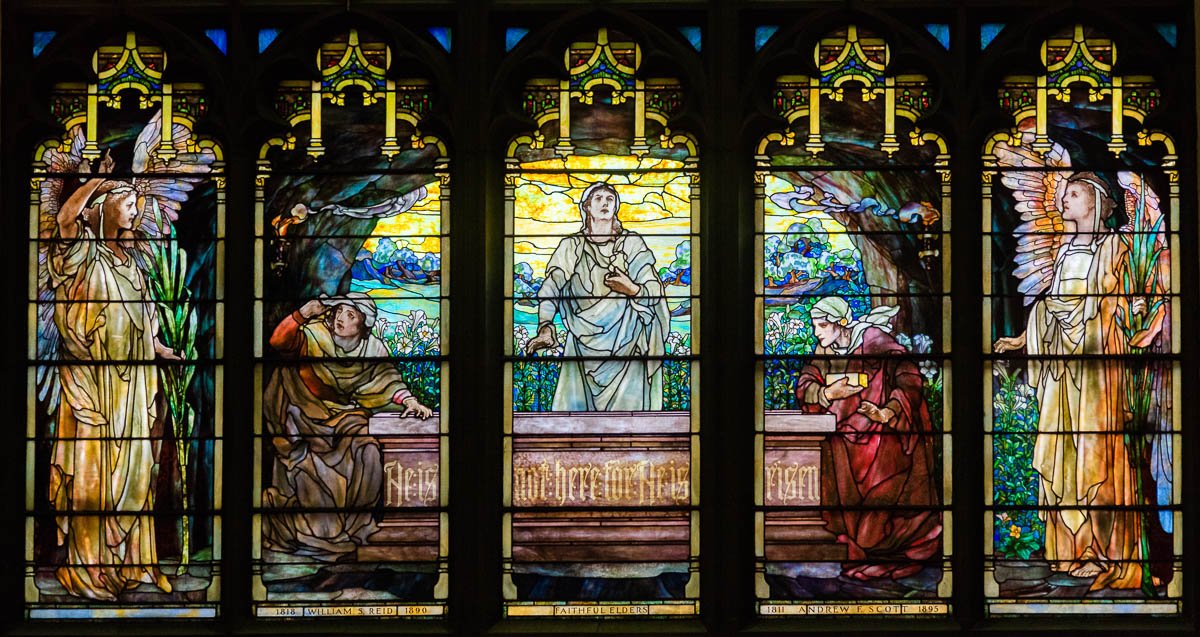
In this Memorial Window, the two men honored are William S. Reid and Andrew F. Scott, both long-time elders in the congregation. The title is "Three Marys at the Tomb" and "Two Angels of the Resurrection". This was created by Frederick Wilson specifically for Reid's project and shows a very unique perspective. In this scene, the viewers are inside the tomb looking out.
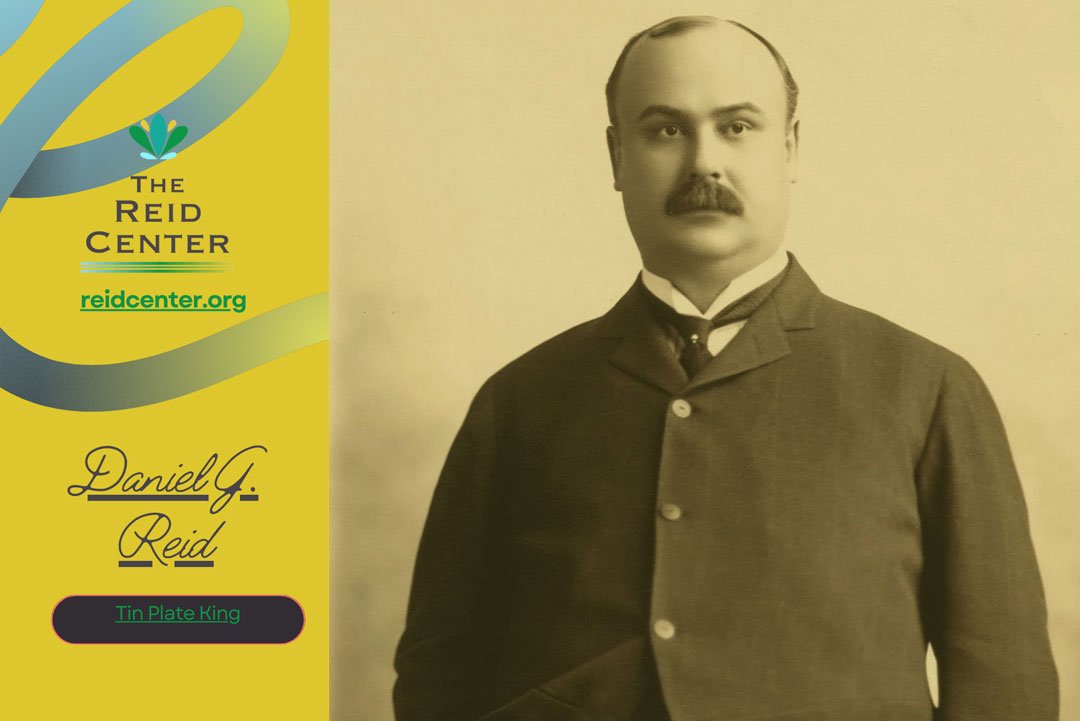
Daniel Gray Reid (1858-1925) was born near Richmond, Indiana and became a benefactor to his hometown after he made his fortune. After honing his business skills in Richmond, he and his partners became successful at manufacturing tin-plate. This entrepreneur became extremely wealthy after a buyout from J.P. Morgan when he formed U.S. Steel. D. G. Reid donated the Reid Memorial Presbyterian Church to this community in memory of his mother and father.
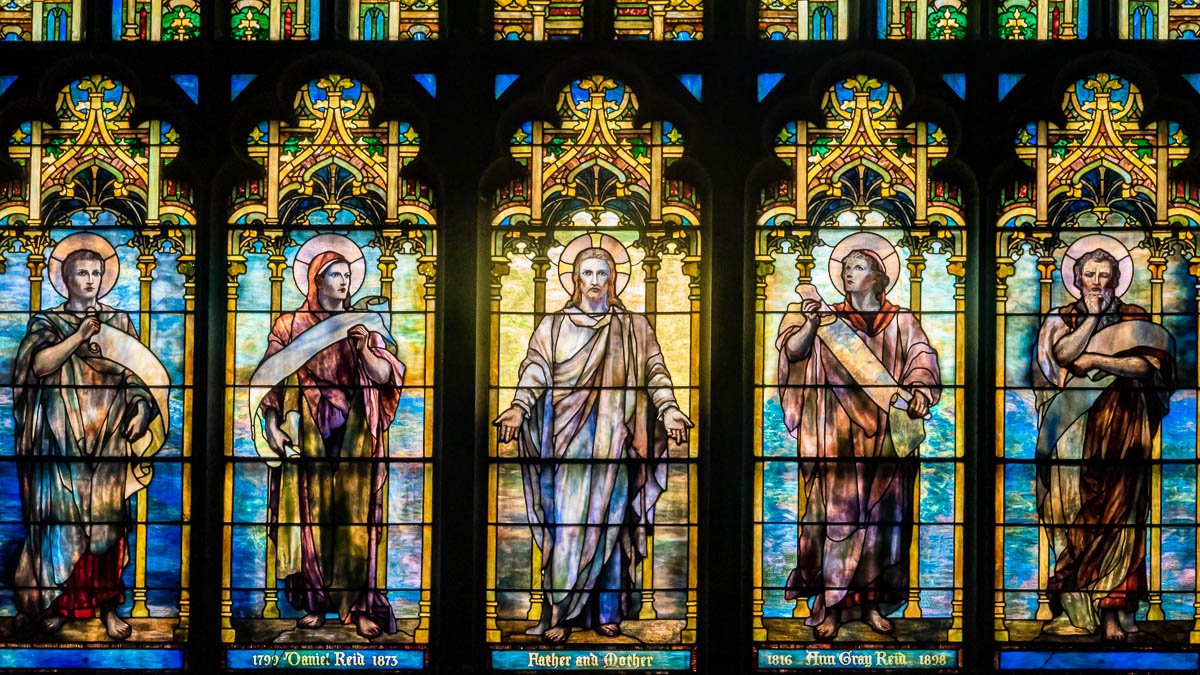
This beautiful Tiffany Studios window, located on the south side of the building, was created as a memorial to Daniel G. Reid’s parents and dedicated in 1906. Learn about the symbolism featured in this window.

You’ll come for the great programs and to see the Tiffany stained-glass windows, but the details, like the unique carved faces outside and inside the building, will keep you coming back!

In 1906 a set of 10 bells produced by the Meneely Bell Company were installed as a chime in the bell tower at the Reid Memorial Presbyterian Church, now known as The Reid Center, in Richmond, Indiana. Although not currently operational, these bells remain with the building, awaiting their chance to ring again.
1906 Dedication of Reid Memorial Presbyterian Church
May 13, 1906 was the first of a four-day celebration to dedicate Danie Reid’s glorious gift of the Reid Memorial Presbyterian Church to the congregation of his youth in the city of Richmond, Indiana. The magnificent pipe organ and bell chimes were heard for the first time.
Hook and Hastings Pipe Organ - A Proper Instrument
Daniel Reid, benefactor to the Reid Memorial Presbyterian Church in Richmond, Indiana, requested a first-class pipe organ be purchased as it would serve as a memorial to his late wife, Clairesse. Hook and Hastings was selected both for its excellent reputation and the company’s ability to build an expansive instrument where the pipework is placed at a distance from the console. W. H. Donley of Indianapolis, the organ’s designer, performed the first recital on May 14, 1906. Hook and Hastings pipework can be heard to this day making the Reid Center organ a prized vintage instrument.